
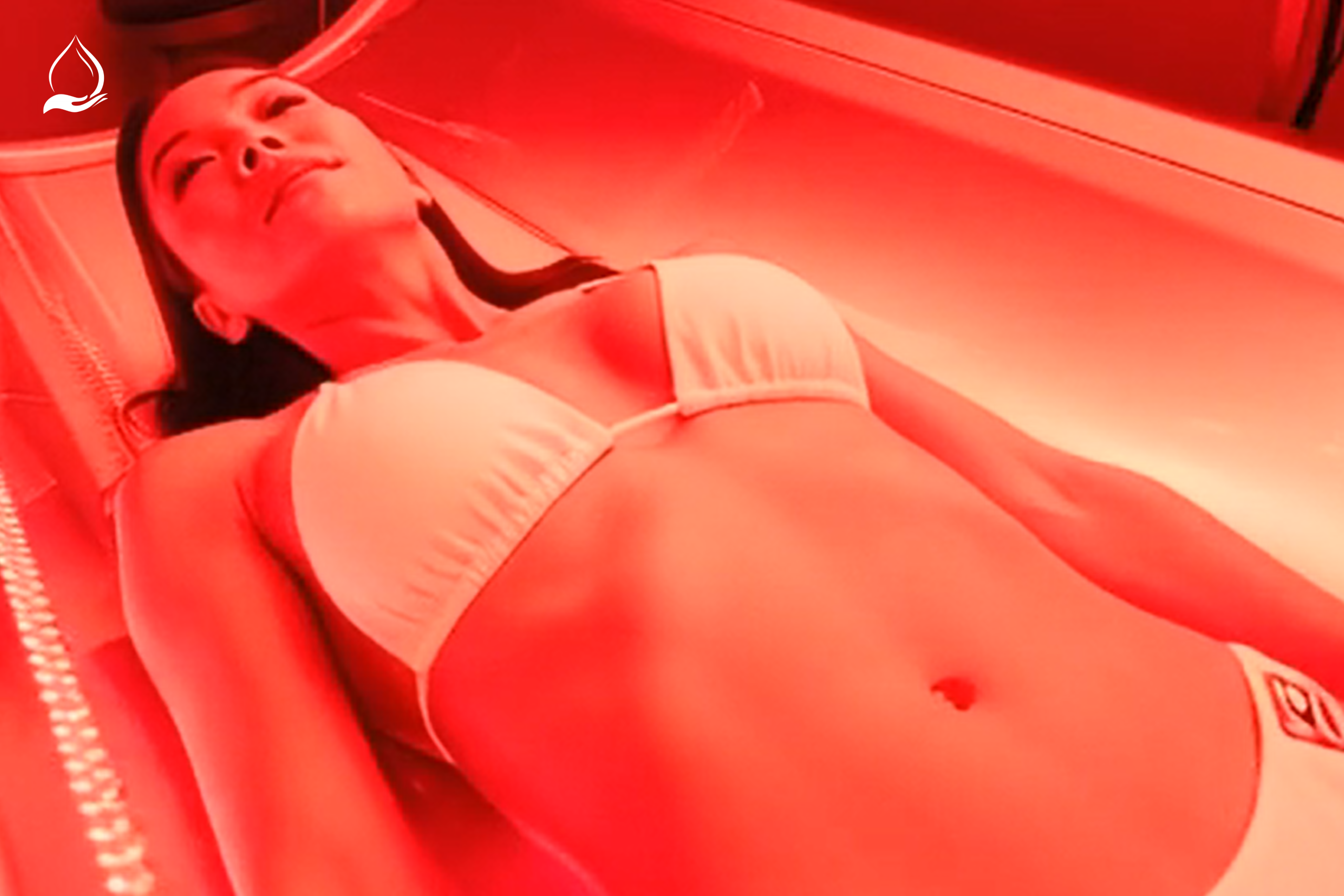
Arizona may not face harsh snowy winters, but our desert climate creates its own set of seasonal skin challenges. As temperatures cool, humidity levels drop even further. The result is skin that feels tight, dry, flaky, and dull. Many Arizonans notice increased irritation, uneven texture, and a loss of moisture the moment indoor heating kicks in.
Red light therapy (RLT) has become a powerful way to counter these effects naturally. Its gentle wavelengths support the skin’s ability to stay hydrated, smooth, and radiant, making it an ideal winter solution for anyone living in the Sonoran Desert.
Why Arizona Winters Dry Out Your Skin
From December through February, outdoor humidity often drops significantly, and indoor levels sink even lower due to heating systems. In this environment, your skin loses moisture quickly. Barriers weaken, leading to irritation and rough patches.
This is why even people who normally have balanced skin can suddenly experience:
- Dehydration
- Flakiness
- Itchiness or irritation
- A dull or uneven tone
- More pronounced fine lines
The combination of cool air, dry winds, and moisture loss requires a deeper solution than lotion alone.
Why Red Light Therapy Helps During the Winter
Red light therapy uses targeted wavelengths of red and near-infrared light to energize your skin cells and boost repair. Unlike heat-based treatments, RLT is gentle, non-invasive, and works at the cellular level.
During winter, it can support your skin by:
- Improving Hydration: RLT helps skin cells retain moisture more effectively. Many clients notice plumper, smoother skin within a few weeks of consistent sessions.
- Smoothing Texture: By supporting healthy collagen activity, red light therapy reduces roughness and helps the skin feel softer and more refined, especially beneficial when the air is dry and flaky patches worsen.
- Enhancing Natural Glow: Winter dullness is common in Arizona, but RLT boosts circulation and cellular turnover, helping the skin regain a brighter, more even appearance.
- Supporting Repair: Dryness creates micro-irritation in the skin. Red and near-infrared wavelengths help the skin recover more efficiently, making it ideal for winter sensitivity.
Ideal Wavelengths for Winter Skin Support
For skin health, the most effective wavelengths include:
- 630–660nm (Red Light): Helps improve hydration, tone, and surface texture.
- 850nm (Near-Infrared Light): Reaches deeper layers to support repair, elasticity, and circulation.
- 940nm (Near-Infrared Light): Targets deeper tissues to support cellular recovery, calm inflammation, and promote long-term skin resilience.
Together, these wavelengths help your skin function optimally in Arizona’s lowest-humidity months.
Getting Started: Why RLT Is Perfect for Arizona Winters
Red light therapy is safe for all skin types and requires no downtime. Sessions are typically 10–20 minutes, making it an easy addition to your winter wellness routine.
Clients at Tinted Salt often describe:
- Softer and smoother skin
- Less tightness from dryness
- A healthier, more vibrant complexion
- Better moisture retention even in low humidity
When combined with a good moisturizer, the results are even more noticeable.
What are your next steps to better skin
If your skin feels tight, dull, or dehydrated this winter, red light therapy can make a measurable difference. Visit Tinted Salt in Chandler, Arizona to experience the benefits firsthand.
Schedule your visit at Tinted Salt in Chandler, AZ, where your skin gets the hydration and care it deserves this season.